Belladonna Lily (Naked Lady, Magic Lily, Resurrection Lily) Growing Information
Naked, but Not Naughty
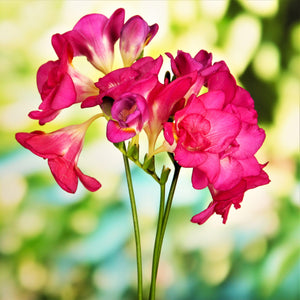
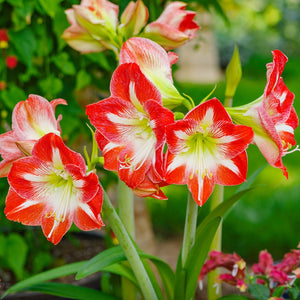
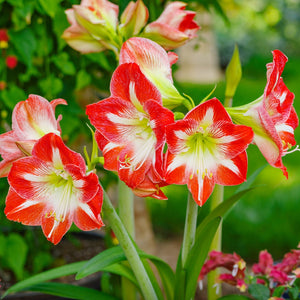
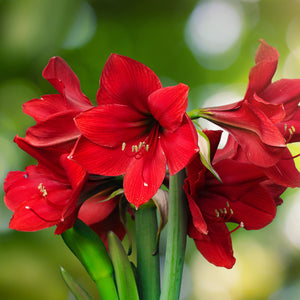
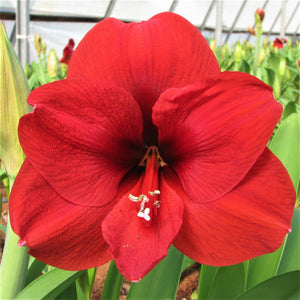
If you're a warm weather gardener you've probably heard of naked ladies. It's a name that one tends to remember. And the blossoms are pretty unforgettable, too.
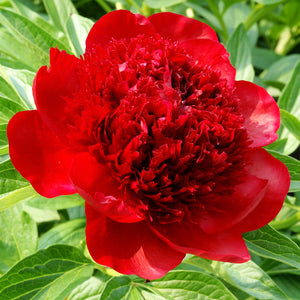
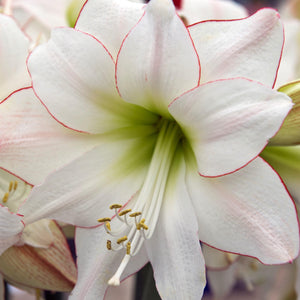
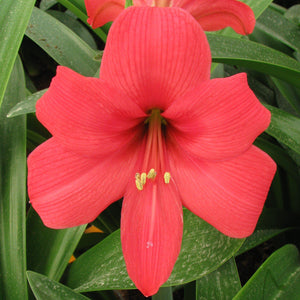
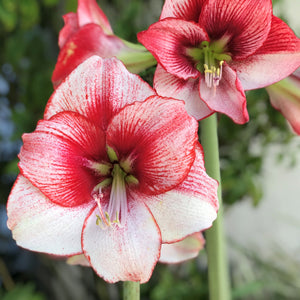
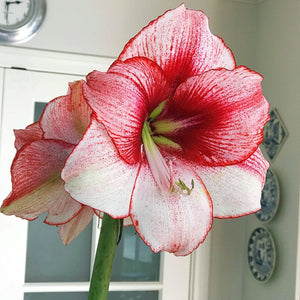
These big South African ladies are happiest in hot, dry locations so they're custom made for the southwest and other warm places where conditions can be controlled by moving containers around. Belladonna lilies come into their full glory in the late summer, a time when many other flowers have passed their prime for the year. Plant some this fall and they'll delight you with big, aromatic blossoms for years to come.
Outdoor Beds
1. Find a location where the soil drains well enough that there is no standing water after a rain. Belladonna lilies will not thrive in waterlogged soils. Or amend the soil with the addition of organic material to raise the level 2-3 inches to improve the drainage. Peat moss, compost, ground bark or decomposed manure all work well and are widely available.
2. Site your bulbs where they will get full day sun.
3. Dig holes and plant your bulbs with their tips just below the soil surface and 12" apart. The bulbs are rounded, with pointed tops - plant with the points facing upwards.
4. After planting, water your bulbs well, thoroughly soaking the area. Roots will form in the autumn. Flowers will develop in mid to late summer, with leaves customarily following shortly thereafter.
5. When in bloom feel free to cut flowers for dazzling scented bouquets. This will not hurt the plants.
6. After flowering has finished for the season, foliage will develop. The leaves will gather sunlight and provide nourishment for next year's show. Water as needed, taking care not to over water.
7. By late fall the leaves may yellow and die back. The foliage may be removed at this point. Your bulbs will rest for a few months before beginning the next growing cycle. In warmest areas the foliage may stay green until mid spring when it will yellow and die back. When leaves are absent and the bulbs are dormant, withhold water.
Pots, Tubs & Urns
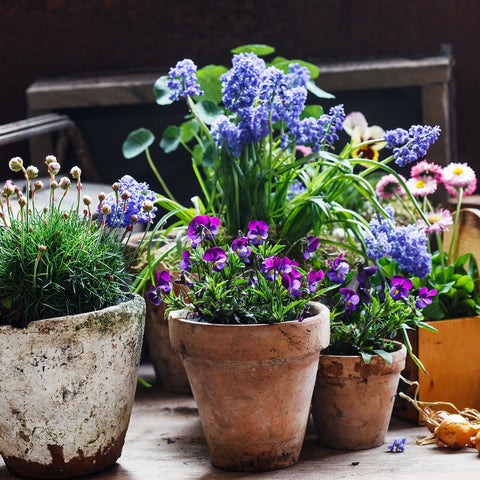
1. Find a large container and fill it with a commercial potting mix that drains well. Belladonna lilies will not thrive in waterlogged soils. Plant in trios or add other bulbs, annuals or perennials around the belladonna lilies to fill out the pot and create a lush look.
2. Place your container where it will get full day sun.
3. Dig holes and plant your bulbs with their tips just below the soil surface and 8" apart. The bulbs are rounded, with pointed tops - plant with the points facing upwards.
4. After planting, water your bulbs well, thoroughly soaking the area. Roots will form in the autumn. Flowers will develop in mid to late summer, with leaves customarily following shortly thereafter.
5. When in bloom feel free to cut flowers for dazzling scented bouquets. This will not hurt the plants.
6. After flowering has finished for the season, foliage will develop. The leaves will gather sunlight and provide nourishment for next year's show. Water as needed, taking care not to over water.
7. By late fall the leaves may yellow and die back. The foliage may be removed at this point. Your bulbs will rest for a few months before beginning the next growing cycle. In warmest areas the foliage may stay green until mid spring when it will yellow and die back. When leaves are absent and the bulbs are dormant, withhold water.
|