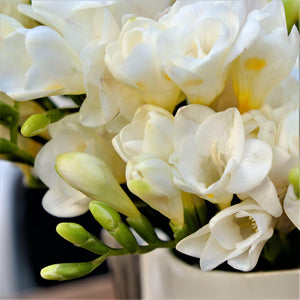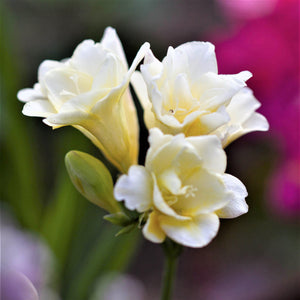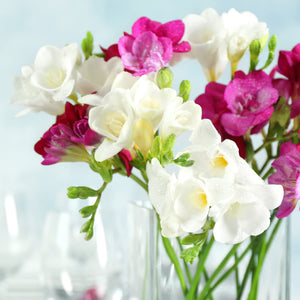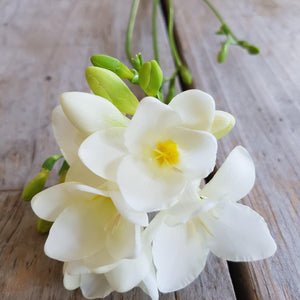
Dwarf Alstroemeria (Princess Lily) Growing Information
Flowers for Months and Months
Alstroemeria blooms are familiar to anyone who frequents their local florist's shop, but it's been a long wait for alstroemeria plants that are suited to the home gardener's needs. The wait is over.
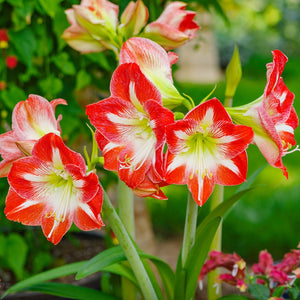
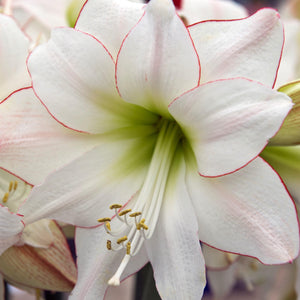
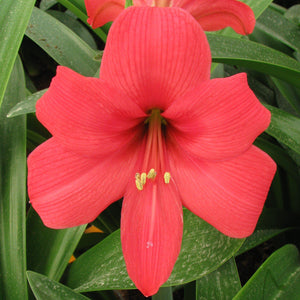
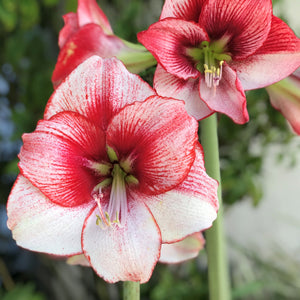
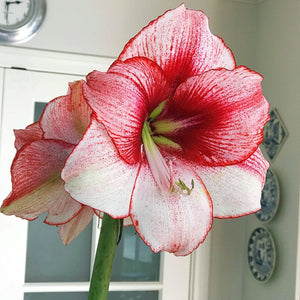
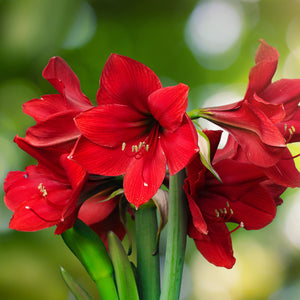
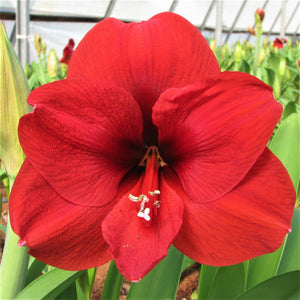
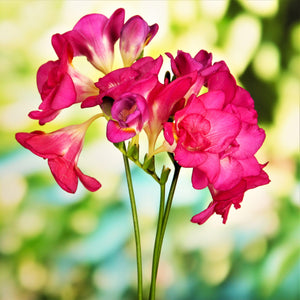
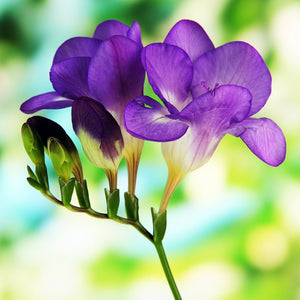
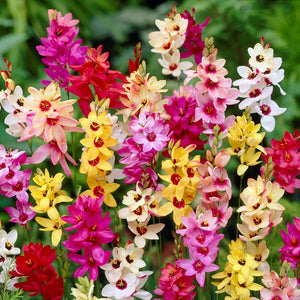
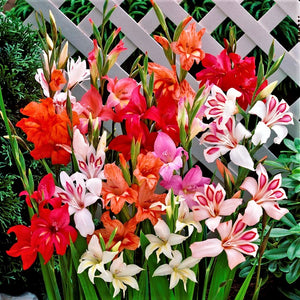
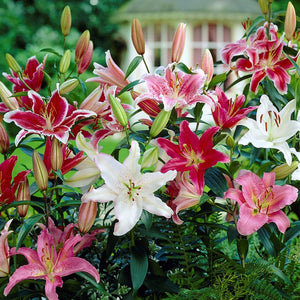
While the blossoms on these dwarf beauties can be snipped for tiny bedside or desktop bouquets, princess lilies were created to produce a long season of vibrant color with contrasting shades and those endearing "whiskers" in containers and beds.
Our supply of these seven varieties is limited this season. If you're interested in enjoying one of the best plants for lush, brilliant blooms, please don't wait too long or the choice will be made for you.
Outdoor Beds
1. Find a location where the soil drains well. If there are still water puddles 5-6 hours after a hard rain, scout out another site. Or amend the soil with the addition of organic material to raise the level 2 - 3 inches to improve the drainage. Peat moss, compost, ground bark or decomposed manure all work well and are widely available. Alstroemeria plants must not sit in waterlogged soil or they will rot.
2. Site your alstroemerias where they will receive full day sun or lightly filtered sunshine.
3. Dig holes and situate the plants so that the soil level on the root ball from the 4" pot is even with that in your bed. Tuck the plants in and tamp down the soil to remove any air pockets.
4. After planting, water your alstroemerias generously, soaking the soil. Plants will grow quickly in warm soil. (If the soil is still quite cool, wait until it warms before planting outdoors or start indoors in containers.)
5. Water as needed during the growing season. Alstroemeria tend to be a bit thirsty and will produce the largest number of flowers when provided with generous amounts of water.
6. In warm areas where Alstroemeria are winter hardy (zones 8-10) your plants can stay outdoors during the cool months and may even surprise you with sporadic flushes of blooms. If you garden in the warmer part of zone 7B you may be able to protect your plants during the winter with a 3-4" layer of leaves or pine needles. The goal is to keep the soil temperature as warm and constant as possible.
7. Water lightly during the winter. Your alstroemerias will rest for a few months before beginning the next growing cycle.
Pots, Tubs & Urns
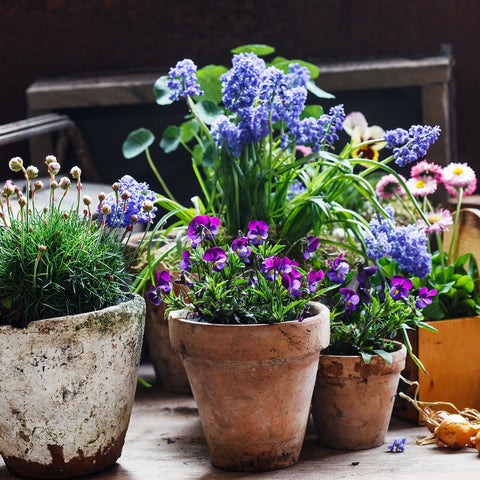
1. Fill your containers with good quality, well-drained soil. Almost any commercially available potting medium will work fine. Make sure there are adequate drainage holes; alstroemeria plants must not sit in waterlogged soil or they will rot.
2. Site your alstroemerias where they will receive full day sun or lightly filtered sunshine.
3. Dig holes and situate the plants so that the soil level on root ball from the 4" pot is even with that in your container. Tuck the plants in and tamp down the soil to remove any air pockets.
4. After planting, water your alstroemerias generously, soaking the soil. Plants will grow quickly in warm soil. (If the soil is still quite cool, wait until it warms before planting outdoors or start indoors in containers.)
5. Water as needed during the growing season. Alstroemeria tend to be a bit thirsty and will produce the largest number of flowers when provided with generous amounts of water. Plants in terra cotta pots (that lose water through evaporation through their entire surface) will need to be watered more frequently.
6. In warm areas where Alstroemeria are winter hardy (zones 8-10) your plants can stay outdoors during the cool months and may even surprise you with sporadic flushes of blooms.
7. In areas cooler than zone 8, it is advisable to bring your Alstroemeria inside during the cold months. Situate them in a sunny window. Don't be concerned if a few leaves fall off as the plant adjusts from the outdoor environment to the indoor one. Water lightly during the winter.
8. Your alstroemerias can be moved outdoors again when the weather warms and it will begin the next season's growing cycle. (Remember that the nights must be warm, too, before relocating your plants outdoor.)
|